Commercial Vent Hood Cleaning: Fire Safety Basics for Owensboro Restaurants
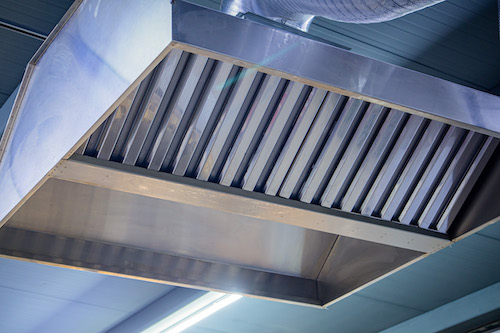
In a busy Owensboro kitchen, heat, vapor, and grease never rest. That is why consistent, professional commercial vent hood cleaning is one of the most important steps you can take to reduce fire risk, protect staff, and keep health and insurance requirements on track.
Grease is fuel, and hidden buildup inside hoods, ducts, and fans can let a small flare-up become a fast-moving fire. The right schedule and process remove that fuel so your suppression system can do its job and your team can cook with confidence.
Why Grease Buildups Create Real Fire Risk
Every time a fryer pops or a grill smokes, tiny grease particles ride the hot air up through the hood and into the ductwork. Filters catch a lot, but not all of it. Over time, sticky layers form in corners, seams, and on fan blades where you cannot see them during normal operations.
Grease ignites at lower temperatures than most people think, especially when it is thin and spread across metal surfaces. Add high heat, a bit of oxygen, and a spark, and a contained flare can travel into the plenum or duct. That is why fire investigators so often trace restaurant fires back to hood and duct spaces with overdue cleaning.
What NFPA 96 Means For Your Owensboro Restaurant
NFPA 96 is the national standard for ventilation control and fire protection of commercial cooking operations. It sets expectations for design, maintenance, and cleaning so your kitchen ventilation removes heat and grease effectively, and so suppression systems can reach problem spots.
Insurers, AHJs, and many property managers look for service records that show you follow NFPA 96 cleaning practices appropriate to your cooking volume and fuel type. The exact frequency depends on what and how much you cook. High volume, solid-fuel, and heavy frying operations typically need more frequent cleaning than light-duty or seasonal kitchens. Your service partner should document dates, areas cleaned, and any risks found so you are ready for audits and inspections.
How Often Should Your Hoods Be Cleaned
There is no one-size-fits-all schedule, because Owensboro kitchens range from riverfront grills to high-volume quick service and campus cafeterias. A practical way to set frequency is to start with the manufacturer and NFPA 96 guidance, then adjust based on your cooking volume, menu, and inspection history.
Here is a helpful way to think about it:
- High, steady volume and frequent frying often call for cleaning on a monthly cadence.
- Moderate operations commonly land on a quarterly plan once consistent results are proven.
- Lighter-duty or seasonal kitchens may be well served by semi-annual cleaning, verified by inspections.
If your team notices stronger odors in the hood area, visible residue on baffles soon after wipe downs, or reduced airflow, that is a signal to move service up rather than wait. Scheduling ahead of busy stretches like summer tourism or holiday catering helps you avoid downtime when you need every burner and fryer running.
What A Professional Vent Hood Service Includes
Great outcomes come from a repeatable process. A thorough service should do more than rinse a few surfaces. It should remove grease to bare metal where required and verify that components are working safely.
- System prep, equipment protection, and shutdown of gas and power in the work area
- Baffle filter removal and degreasing, with damaged filters flagged for replacement
- Hood plenum and interior degreasing with attention to corners and seams
- Duct cleaning from the hood to the fan, using mechanical agitation where the build-up is stubborn
- Exhaust fan cleaning, belt check, and verification of rotation and vibration
- Final rinse, polish, and reassembly, followed by airflow and function checks
- Before and after photos, plus a dated service sticker and report for your records
Because EcoWash Solutions is a specialized cleaning partner from the pressure washing world, we also think beyond the hood. Floors, dumpster pads, and exterior grease areas influence what ends up in your ventilation. A clean ecosystem around the kitchen keeps the whole operation safer and more comfortable.
Benefits Of Professional Vent Hood Service For Owensboro Kitchens
Working with a qualified team brings more than a shiny hood. It gives you fewer surprises, smoother inspections, and better airflow that helps food quality and team comfort. Here are the benefits our restaurant clients value most:
Fire risk drops when fuel is removed from hidden surfaces and suppression coverage is verified. Staff training and daily wipe downs still matter, but they cannot reach inside ducts and fans the way a full service can.
Cleaner ducts move more air, which helps manage heat and smoke on busy lines. Guests enjoy a better dining experience, and crews do not have to fight haze on the grill. Documented cleaning also helps demonstrate that you maintain the system in line with NFPA vent hood guidelines, which many stakeholders expect.
Local Factors That Influence Your Cleaning Schedule
Owensboro kitchens see unique patterns. Riverfront restaurants can have fluctuating crowds tied to events and weekends, while drive-thru and delivery-heavy locations push fryers hard day and night. Cold snaps in winter can also amplify condensation in rooftop fans, which mixes with grease and forms a thick paste.
Think about these local realities when setting frequency:
Menus heavy in fried chicken, catfish, or barbecue sides send lots of aerosols into the hood. Long service days, especially along Frederica Street and near retail corridors, stress systems without much cooling downtime. If your location has neighbors close by, strong, clean exhaust helps control odor complaints and keeps everyone on good terms.
How To Know When Your System Needs Attention Now
Between scheduled visits, your team can watch for warning signs that do not require opening panels or using tools. If you notice any of the following, let your provider know:
- Filters feel sticky or drip soon after cleaning
- Hood edges and nearby walls collect residue faster than usual
- Exhaust noise changes, rattles, or airflow seems weaker on the line
- Persistent smoke haze even with normal cooking
- Dark streaks on rooftop fan housings or on the roof surface
If you ever see flame flash inside the hood, power down the cooking equipment and follow your safety plan while you contact a professional. Quick action limits damage and protects your team.
What To Expect On Service Day
Your provider should set a clear start time, outline how cooking equipment will be protected, and coordinate around your prep and service windows. Good communication keeps your team focused and the space safe while work happens overhead and on the roof.
Most services follow a predictable flow: gear protection and containment, disassembly, degreasing and mechanical cleaning, rinse and wipe down, reassembly, and system testing. The crew should leave the line cleaner than they found it and remove all waste and plastic so your staff can step right back into prep.
Choosing A Qualified Partner In Owensboro
Experience, documentation, and safe methods matter as much as shiny results. Look for a company that photographs work areas before and after, trains technicians to identify risks, and uses compliant chemicals and capture methods appropriate for commercial kitchens.
It also helps to choose a team that can support the broader property. A trusted pressure washing company that understands grease behavior on concrete, dumpster pads, and exterior walkways can help you control slip hazards and odors that start outside and migrate in. Aligning these services simplifies scheduling and keeps your brand consistent across the site.
Set A Smart, Flexible Schedule
The right plan starts with a baseline, then adapts. Launch with a conservative interval, validate with photo reports, and adjust once you see how quickly your system loads. Changes in menu, volume, hours, or equipment are good moments to re-evaluate frequency.
Keep reports, stickers, and any repair notes together in a simple binder or shared drive. That way, managers can show proof of service when inspectors visit or when insurance asks for documentation.
Why EcoWash Solutions For Commercial Vent Hood Cleaning
As a local team rooted in professional cleaning, we understand how to remove grease safely and thoroughly, inside and out. Our technicians respect your space, protect your equipment, and work around your schedule so you can keep serving Owensboro without surprises.
When it is time to plan your next cycle, review your latest reports and walk the line with us. We will look at filters, airflow, and residue patterns, then recommend a tailored cadence and scope. If you are ramping up for a seasonal rush, we can increase frequency temporarily and scale back when the rush passes.
Take The Next Step Toward A Safer Kitchen
A safer kitchen starts with a clear plan and the right partner. Learn how our team approaches documentation, scheduling, and thorough cleaning by reviewing our approach to professional vent hood service, then pencil in your next visit before the busy season hits.
Protect your team and your investment today with a cleaning plan that fits your menu, hours, and volume. Call EcoWash Solutions at 502-803-7141 to get your kitchen inspection ready and safer to run.
Transform Your Curb Appeal With Our Pressure Washing Experts In Owensboro & Surrounding Areas!